
Does Alkaline Water Have Electrolytes? The Truth About Hydration, pH, and Performance
Updated: Oct 8
Walk through almost any grocery store and you'll see entire shelves dedicated to alkaline water.
The labels often promise:
Better hydration
Improved recovery
Enhanced athletic performance
Superior health benefits
Faster rehydration
Many alkaline water brands also advertise the presence of electrolytes.
This naturally leads people to ask,
Does alkaline water have electrolytes?

The answer is, Sometimes, but not always.
Some alkaline waters contain naturally occurring electrolytes from mineral sources.
Others have electrolytes added during processing, and some alkaline waters contain only trace amounts that are unlikely to meaningfully impact hydration or athletic performance.
This distinction matters because many consumers mistakenly assume, Alkaline water = electrolyte water, but these are actually two different concepts.
One describes the pH level of the water. The other describes the mineral content of the water.
Understanding the difference can help you make smarter hydration decisions and avoid paying premium prices for marketing claims that may not align with your actual physiological needs.
If you've already read our Human Performance HQ articles on:
you've probably noticed a recurring theme, the best hydration strategy isn't about finding a miracle beverage, it's about understanding what your body actually needs.
The Short Answer: Does Alkaline Water Have Electrolytes?
Yes.
Many alkaline water products contain electrolytes.
Common examples include:
Calcium
Magnesium
Potassium
Bicarbonate
However, the amount varies dramatically between brands.
Some alkaline waters contain meaningful concentrations of these minerals, others contain very little.
This is why simply seeing the word "alkaline" on a label tells you almost nothing about electrolyte content.
The only way to know for sure is to examine:
The nutrition label
The mineral analysis
The source water information
In other words, Alkaline water can contain electrolytes, but alkaline water is not automatically an electrolyte beverage.
What Is Alkaline Water?
Before discussing electrolytes, it's important to understand what alkaline water actually is.
Alkaline water refers to water with a higher pH than standard drinking water.
Most municipal drinking water falls between:
pH 6.5–8.5
Most commercial alkaline waters range between:
pH 8–10+
Manufacturers achieve this higher pH through one of two methods:
Naturally Mineralized Water
Water naturally passes through mineral-rich rock formations. These minerals increase pH and contribute minerals.
Ionized Alkaline Water
Water undergoes electrolysis or other processing methods that increase pH. This may or may not significantly increase electrolyte content. This distinction becomes important because naturally mineralized alkaline waters often contain more beneficial minerals than artificially ionized versions.
What Are Electrolytes?
Electrolytes are minerals that carry an electrical charge when dissolved in fluid.
These minerals help regulate:
Hydration
Muscle contractions
Nerve signaling
Blood pressure
Cellular fluid balance
Exercise performance
The major electrolytes include:
Sodium
Potassium
Magnesium
Calcium
Chloride
Think of electrolytes as the body's fluid management system.
Water provides the fluid, electrolytes help determine where that fluid goes and how effectively it functions, and without adequate electrolyte balance, hydration becomes less efficient.
Why People Think Alkaline Water Is Better for Hydration
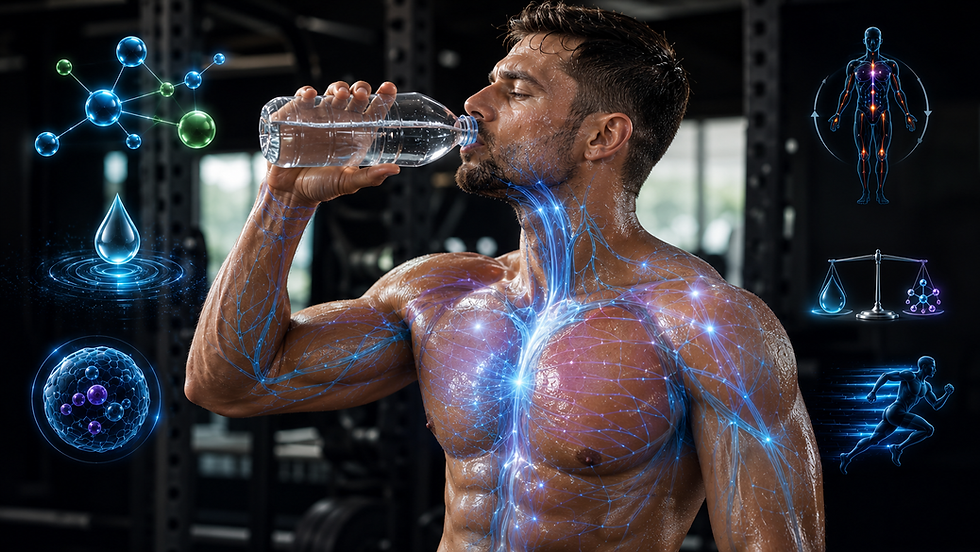
One of the biggest reasons alkaline water has exploded in popularity is hydration marketing.
You'll frequently hear claims such as:
"Hydrates faster than water"
"Improves water absorption"
"Enhances cellular hydration"
"Increases recovery"
The reality is more nuanced.
Current evidence suggests that any hydration advantage may have more to do with mineral content than pH itself.
This is a critical distinction.
Many consumers focus on alkalinity, our physiology cares about minerals, because the body regulates blood pH very tightly regardless of what type of water you drink.
However, minerals like sodium, potassium, and magnesium can directly influence hydration physiology.
Which Electrolytes Are Found in Alkaline Water?
Depending on the source, alkaline water may contain several important minerals.
Calcium
Calcium contributes to:
Bone health
Muscle contractions
Nervous system communication
Some mineral-rich alkaline waters provide meaningful calcium intake.
Magnesium
Magnesium plays a role in:
Energy production
Recovery
Muscle function
Nervous system regulation
This is especially relevant because many adults fail to meet recommended magnesium intake levels.
Potassium
Potassium helps regulate:
Fluid balance
Cellular hydration
Muscle contractions
Cardiovascular function
Although many alkaline waters contain potassium, concentrations are often relatively modest.
Bicarbonate
Bicarbonate contributes to acid-base regulation. Some naturally sourced alkaline waters contain elevated bicarbonate levels, which may contribute to their higher pH.
Does All Alkaline Water Contain Meaningful Electrolytes?
No.
This is where consumers often get misled. Two bottles of alkaline water may look nearly identical on a shelf.
Yet one may contain:
Significant minerals
Measurable electrolytes
while the other contains:
Very little beyond filtered water
This is why reading the label matters.
The pH number alone tells you nothing about:
Sodium content
Potassium content
Magnesium content
Calcium content
Many consumers are surprised to discover that some premium alkaline waters contain fewer electrolytes than inexpensive mineral waters.
Is Alkaline Water More Hydrating Than Regular Water?
This is probably the most searched question surrounding alkaline water.
The answer is,
Probably not for most healthy adults.
Research has not consistently demonstrated that alkaline water dramatically outperforms regular water for hydration.
For most individuals:
Water hydrates well.
Alkaline water hydrates well.
The difference is often much smaller than marketing suggests.
What consistently matters more is:
Total fluid intake
Electrolyte status
Activity level
Environmental conditions
In other words, the best hydration strategy is usually the one you consistently follow.
Alkaline Water vs Electrolyte Water

One of the biggest misunderstandings in the hydration industry is treating these products as interchangeable.
They're not.
Alkaline Water
Primary focus:
Higher pH
May contain:
Minerals
Electrolytes
But not always.
Electrolyte Water
Primary focus:
Electrolyte replacement
Typically contains:
Sodium
Potassium
Magnesium
Often formulated specifically for hydration.
This means a bottle labeled "alkaline" may actually contain fewer hydration-supporting electrolytes than a bottle specifically designed as electrolyte water.
Why Sodium Matters More Than Most People Realize
One reason alkaline water can be overhyped in sports performance circles is that discussions often focus on pH instead of sodium.
Here's the reality, when you sweat, the primary electrolyte you lose is:
Sodium.
Not calcium, magnesium, or potassium.
Sodium.
This becomes particularly important for:
Endurance athletes
Military personnel
Outdoor laborers
Hot yoga participants
Tactical athletes
Many alkaline waters contain very little sodium.
This means they may contribute to hydration but may not adequately replace what is lost during prolonged sweating.
Alkaline Water and Athletic Performance

Athletes frequently wonder whether alkaline water improves performance.
The answer is, possibly under certain conditions, but not dramatically.
Performance is driven primarily by:
Training quality
Recovery
Sleep
Nutrition
Hydration
Water type is a relatively small piece of that equation.
Some studies suggest mineral-rich alkaline waters may positively influence certain hydration markers.
However, the evidence remains far less compelling than what we know about:
Proper hydration
Sodium replacement
Recovery nutrition
Ariel Hernandez's Perspective: Don't Confuse Marketing With Physiology
One of the biggest mistakes Ariel Hernandez sees in the health and wellness space is people chasing premium solutions before mastering basic habits.
People will spend:
$4 on alkaline water
$50 on hydration supplements
Hundreds on biohacking tools
while still:
Drinking too little water
Ignoring sleep
Under-consuming electrolytes after sweating
From Ariel's perspective, "Hydration isn't about buying the most expensive water. It's about understanding what your body actually needs."
Alkaline water can absolutely fit into a healthy hydration strategy.
But the question shouldn't be, "Is alkaline water better?"
The better question is, "Does this water provide what my body needs for the demands I'm placing on it?"
For many people, regular water works perfectly.
For athletes, electrolyte replacement may matter far more than pH, and for everyone, consistency will outperform optimization every time.
The HYDRATE Protocol: A Practical Framework for Evaluating Alkaline Water and Hydration Products
One of the biggest mistakes people make in the hydration space is assuming every premium water product automatically improves hydration.
Hydration isn't determined by:
Marketing
Bottle design
pH level
Price tag
Hydration is determined by physiology.
That's why Human Performance HQ developed the HYDRATE Protocol, not as a rigid hydration rule, but as a practical framework for evaluating whether a hydration product actually matches your needs.
H — Hydrate Consistently
The biggest hydration mistake isn't choosing the wrong water. It's not drinking enough water consistently. Many hydration issues disappear when people simply improve daily fluid intake.
Y — Yield to Physiology
Your body operates according to physiology, not marketing.
Understanding:
Sweat losses
Electrolyte needs
Fluid requirements
is far more important than chasing trends.
D — Don't Chase Marketing
The hydration industry is filled with impressive claims.
Always ask, "What does this product actually contain?" before assuming it's superior.
R — Replace Lost Electrolytes
If you're sweating heavily, replacing lost electrolytes becomes increasingly important.
Especially:
Sodium
Potassium
This is where many alkaline waters fall short.
A — Assess Activity Level
Hydration needs differ dramatically between:
Office workers
Travelers
Endurance athletes
Tactical populations
The best hydration strategy depends on the demand.
T — Target Recovery
Hydration supports recovery.
Recovery supports performance.
Everything is connected.
E — Evaluate Results
Your body provides feedback.
Pay attention to:
Energy levels
Urine color
Exercise performance
Recovery quality
These indicators often tell you more than marketing claims.
7 Benefits of Alkaline Water
Alkaline water isn't magic, but that doesn't mean it has no value.
Here are several potential benefits.
1. Contributes to Daily Hydration
At the end of the day, alkaline water is still water. It contributes to:
Fluid intake
Hydration status
Daily hydration goals
For many people, that's its biggest benefit.
2. May Provide Minerals
Some alkaline waters naturally contain:
Calcium
Magnesium
Potassium
These minerals contribute to overall nutrient intake.
3. Can Encourage Better Hydration Habits
Many people who purchase alkaline water become more mindful of hydration. Behavior change itself can be valuable.
4. May Support Recovery Hydration
Fluids contribute to recovery. Some mineral-containing alkaline waters may provide additional hydration-supporting nutrients.
5. Often Tastes Better to Some Consumers
Taste influences compliance. People tend to drink more fluids when they enjoy the taste.
6. Can Be Part of a Wellness Routine
While not essential, alkaline water may fit within a broader health and wellness strategy.
7. Provides an Alternative to Sugary Beverages
Replacing soda or sugar-sweetened beverages with alkaline water may improve overall dietary quality.
Alkaline Water vs Regular Water
This comparison drives much of the debate surrounding alkaline water.
Regular Water
Advantages:
Affordable
Widely available
Effective hydration
Supported by decades of evidence
Alkaline Water
Advantages:
May contain minerals
Higher pH
Marketed wellness benefits
For most healthy adults, both can effectively support hydration.
The differences are often much smaller than consumers expect.
Alkaline Water vs Sports Drinks
This is where the distinction becomes particularly important.
Alkaline Water
Designed around:
pH
Mineral content
Wellness marketing
Sports Drinks
Designed around:
Sodium replacement
Sweat loss replacement
Exercise hydration
Sports drinks often contain significantly more sodium than alkaline water.
This makes them more appropriate in certain athletic settings.
Alkaline Water for Athletes
Athletes often ask whether alkaline water improves performance.
The answer is, maybe slightly in specific situations, but it's unlikely to be a game changer.
Athletic performance is primarily influenced by:
Training
Recovery
Nutrition
Sleep
Hydration
Water type generally plays a relatively minor role compared to those factors.
Alkaline Water After Exercise
Following exercise, the body typically benefits from:
Fluid replacement
Electrolyte replacement
Recovery nutrition
Alkaline water can contribute to fluid replacement.
However, after prolonged sweating, additional sodium replacement may still be necessary.
This is especially true for:
Endurance athletes
Tactical athletes
Outdoor workers
Hot yoga practitioners
Is Alkaline Water Good for Recovery?
Recovery is multifaceted. Hydration is only one component.
Recovery also depends on:
Sleep
Nutrition
Stress management
Training load
Alkaline water may contribute to hydration, which supports recovery, but it should not be viewed as a standalone recovery solution.
Alkaline Water and Hot Weather
Heat changes hydration needs, as discussed in our articles:
sweating dramatically increases fluid and sodium losses. Alkaline water may help replace fluids. However, it generally provides far less sodium than dedicated electrolyte products.
Alkaline Water and Tactical Athletes
Military personnel, first responders, and tactical athletes often operate under conditions involving:
Heat
Heavy gear
Long work periods
Significant sweat losses
In these environments, hydration strategies become increasingly important.
While alkaline water may contribute to fluid intake, sodium replacement often remains the primary hydration concern.
This is one reason tactical hydration protocols frequently prioritize electrolyte replacement over pH manipulation.
Ariel Hernandez's Perspective: Focus on What Actually Moves the Needle
One lesson Ariel Hernandez has learned from working with military personnel, athletes, and active adults is that people often chase small optimizations while ignoring major fundamentals.
They'll spend time debating:
Alkaline water versus regular water
pH 8 versus pH 9.5
Brand A versus Brand B
while overlooking:
Daily hydration habits
Sleep quality
Electrolyte intake
Recovery practices
From Ariel's perspective, "Most people don't have an alkaline water problem. They have a hydration consistency problem."
That's an important distinction. If alkaline water helps you drink more water consistently, it may absolutely be valuable, but don't mistake a hydration accessory for a hydration solution.
The fundamentals still matter most.
How Single Serve Creatine and Electrolyte Packets Like HPSTIX Enhance The Alkaline Water Experience
Hydration needs increase as performance demands increase.
Alkaline water may provide fluids, some minerals, and potential hydration support
However, situations involving heat stress, endurance exercise, tactical performance, and heavy sweating often require more targeted electrolyte replacement.
HPSTIX was developed around the idea that hydration should support:
Physical performance
Cognitive performance
Recovery
Readiness
The goal isn't choosing alkaline water or electrolyte products.
The goal is understanding when each tool provides the most value.
Stay Connected With Human Performance HQ
Join the Human Performance HQ newsletter at the bottom of this page for science-backed education on:
Hydration
Electrolytes
Recovery
Human performance
Nutrition
Longevity
Cognitive optimization
Get practical, evidence-based strategies delivered directly to your inbox.
Perform. Evolve. Achieve.
FAQs
Does alkaline water have electrolytes?
Sometimes. Many alkaline waters contain minerals such as calcium, magnesium, potassium, and bicarbonate. However, the amount varies significantly between brands. Always check the label rather than assuming all alkaline water products provide meaningful electrolytes.
Is alkaline water more hydrating than regular water?
Current research does not consistently show that alkaline water dramatically outperforms regular water for hydration in healthy adults. Both can support hydration effectively. Total fluid intake remains far more important than pH.
Does alkaline water contain sodium?
Some alkaline waters contain small amounts of sodium, but many contain very little. This is important because sodium is the primary electrolyte lost through sweat. Athletes may require additional sodium replacement during prolonged exercise.
Can alkaline water replace electrolyte drinks?
For general hydration, it may contribute meaningfully to fluid intake. However, after heavy sweating or endurance exercise, alkaline water often lacks sufficient sodium to fully replace electrolyte losses. Dedicated electrolyte beverages may be more appropriate in those situations.
Is alkaline water good for athletes?
It can be part of an athlete's hydration strategy. However, athletic performance depends far more on total hydration, electrolyte balance, recovery, nutrition, and training quality than on water pH alone.
Does alkaline water improve recovery?
Hydration supports recovery, and alkaline water contributes to hydration. However, recovery is influenced by many variables including sleep, nutrition, and training load. Alkaline water should be viewed as one small piece of a broader recovery strategy.
What electrolytes are typically found in alkaline water?
Common minerals include calcium, magnesium, potassium, and bicarbonate. The exact concentrations vary significantly depending on the source and manufacturing process.
RESEARCH BACKED CITATIONS
Heil, D. P. (2010). Acid-base balance and hydration status following consumption of mineral-based alkaline bottled water. Journal of the International Society of Sports Nutrition, 7(29). https://jissn.biomedcentral.com/articles/10.1186/1550-2783-7-29
Maughan, R. J., Watson, P., Cordery, P. A., Walsh, N. P., Oliver, S. J., Dolci, A., Rodriguez-Sanchez, N., & Galloway, S. D. R. (2016). A randomized trial to assess the potential of different beverages to affect hydration status: Development of a beverage hydration index. American Journal of Clinical Nutrition, 103(3), 717–723. https://academic.oup.com/ajcn/article/103/3/717/4564598
Sawka, M. N., Burke, L. M., Eichner, E. R., Maughan, R. J., Montain, S. J., & Stachenfeld, N. S. (2007). American College of Sports Medicine position stand: Exercise and fluid replacement. Medicine & Science in Sports & Exercise, 39(2), 377–390. https://journals.lww.com/acsm-msse/fulltext/2007/02000/exercise_and_fluid_replacement.22.aspx
Popkin, B. M., D'Anci, K. E., & Rosenberg, I. H. (2010). Water, hydration, and health. Nutrition Reviews, 68(8), 439–458.https://academic.oup.com/nutritionreviews/article/68/8/439/1841926
Institute of Medicine. (2005). Dietary Reference Intakes for Water, Potassium, Sodium, Chloride, and Sulfate. Washington, DC: National Academies Press. https://nap.nationalacademies.org/catalog/10925/dietary-reference-intakes-for-water-potassium-sodium-chloride-and-sulfate
Other Resources
National Institutes of Health Office of Dietary Supplements – Potassium Fact Sheet https://ods.od.nih.gov/factsheets/Potassium-HealthProfessional/
National Institutes of Health Office of Dietary Supplements – Magnesium Fact Sheet https://ods.od.nih.gov/factsheets/Magnesium-HealthProfessional/
Harvard T.H. Chan School of Public Health – Fluids and Hydration https://nutritionsource.hsph.harvard.edu/water/
American College of Sports Medicine Hydration Position Stand https://journals.lww.com/acsm-msse/fulltext/2007/02000/exercise_and_fluid_replacement.22.aspx
Mayo Clinic – Dehydration Overview https://www.mayoclinic.org/diseases-conditions/dehydration/symptoms-causes/syc-20354086
Cleveland Clinic – Electrolytes Explained https://my.clevelandclinic.org/health/body/23013-electrolytes


